Meet the Supplier: Get to Know EWI Specialist Ltd
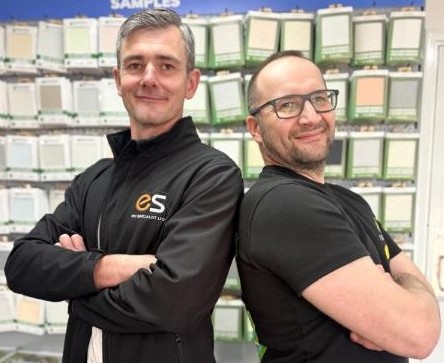
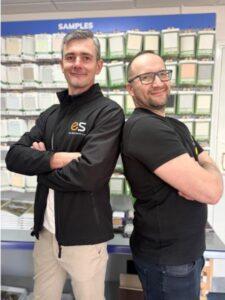
In our latest Meet the Supplier feature, we caught up with Sebastian Dziubanda, Managing Director of EWI Specialist Ltd, a supplier on our GFP Decarbonisation Delivery DPS. He explains why the company’s installation-led approach sets it apart from its competitors and talks about how his and business partner Sebastian Janik’s extensive experience working “on the tools” helps to shape how they make decisions and support their team.
What is your company’s mission statement/aims/objectives?
Our aim is to make buildings safer, warmer and more energy efficient through high-quality external wall insulation, rendering and façade refurbishment. We focus on careful installation, reliable communication and doing the work properly the first time. We want housing providers, main contractors and residents to have confidence in the finished result, supported by clear inspections and quality records.
Can you give us a brief history of your company?
EWI Specialist Ltd was established in 2015. I have worked in external wall insulation since 2008, and my business partner, Sebastian Janik, also brings many years of hands-on experience in EWI and rendering. We have both spent years working on the tools, so the company is built on a practical understanding of what happens on site. Since then, we have developed into a specialist contractor supporting domestic, housing and larger-scale refurbishment projects, with experienced installation teams and a focus on quality and long-term working relationships.
What are the benefits of being a supplier on the GFP Decarbonisation Delivery DPS?
Being part of the Dynamic Purchasing System creates opportunities to work more closely with housing providers and their delivery partners. A structured procurement route helps build relationships, understand clients’ standards and plan resources more effectively. For a specialist SME like ours, it can also provide access to projects where technical capability, compliance and consistent delivery are valued alongside price.
What specific products or services does your company deliver through the DPS?
Our principal services are external wall insulation installation, render systems and associated façade refurbishment. This includes EPS and mineral wool insulation systems where specified, replacement of existing EWI, render-only works, façade repairs and related finishing details. We also coordinate associated items such as sill extensions, roofline interfaces and drainage or ventilation details within the agreed scope. We primarily undertake installation to an approved design and system specification, rather than acting as the designer.
Can you share some key achievements or successful projects?
Our completed project experience includes external wall insulation and rendering works delivered as a specialist subcontractor for Axis Europe on L&Q (London & Quadrant) housing projects associated with the Social Housing Decarbonisation Fund (SHDF) programme. This experience demonstrates our contribution to energy-efficiency improvements in social housing. We are also currently working alongside IRS Construction on a significant façade remediation project in Southampton, involving replacement façade materials and specified insulation systems. The Southampton project is ongoing. Together, these examples show our ability to coordinate with principal contractors and maintain high workmanship and quality-assurance standards.
What sets your business apart from its competitors?
What distinguishes us is our installation-led approach. Both my business partner Sebastian and I have years of hands-on experience, so we understand the practical challenges behind a good specification. We combine that knowledge with site supervision, documented checks and photographic evidence at key stages. We are also comfortable raising design or site-condition queries early rather than allowing problems to become defects later.
How does your company contribute positively to the communities it operates in?
Our work can improve the comfort and energy performance of homes, which matters particularly to residents in older housing stock. We also recognise that construction work affects people’s daily lives. We aim to maintain safe and tidy sites, communicate clearly about access and disruption, and coordinate works respectfully around occupied properties. Delivering durable improvements and reducing avoidable rework are important parts of our contribution.
What will be the key areas of focus for your business over the next 12 months?
Over the next 12 months, our priority is to develop stronger relationships with housing associations and principal contractors while growing at a sustainable pace. We will continue improving quality assurance, project documentation and team capability, particularly for PAS 2030-related retrofit works and technically demanding façade remediation. We also want to be involved earlier in project planning so buildability and detailing issues are resolved before work reaches site.
What are the biggest challenges currently facing the housing sector?
The housing sector needs to improve the safety, condition and energy efficiency of existing homes while working within tight budgets. Many properties require more than a straightforward insulation installation: moisture, ventilation, fire safety, access and existing building defects must all be considered together. A further challenge is creating a reliable pipeline of properly surveyed and designed work so that investment delivers lasting results without unnecessary disruption to residents.
What are the biggest challenges currently facing your company and your supply chain partners?
For specialist contractors and supply chain partners, major pressures include rising delivery costs, the availability of suitably skilled operatives and uncertainty around project start dates. Incomplete designs, late approvals and unexpected site conditions can create delays even when teams are ready to work. Payment cycles and the administrative burden of compliance can also be difficult for smaller businesses. Better early coordination and realistic programmes make a significant difference.
Are there any recent innovations or developments in your business that excite you?
We are particularly encouraged by the move towards stronger, more traceable quality assurance in retrofit and façade work. Stage-by-stage photographs, inspection checklists and clearer handover records help show not just what a building looks like when finished, but how it was installed. Developments in insulation systems and interface detailing are also helping the industry address increasingly complex refurbishment requirements. For us, practical improvements in consistency and accountability are especially valuable.
If you were Housing Minister for the day, what would you change?
If I were Housing Minister for a day, I would focus on making sure housing improvement projects are properly surveyed, designed and approved before contractors arrive on site. Better preparation would reduce delays, unnecessary costs and disruption for residents. I would also want experienced specialist SMEs to have fair opportunities to contribute to housing improvement programmes.
Can you tell us an interesting fact about your organisation?
An interesting fact about EWI Specialist Ltd is that the two business partners running the company are both called Sebastian. We share more than a first name: we have both spent years working on the tools in external wall insulation and rendering. That practical site experience still shapes how we make decisions, support our teams and approach every project.